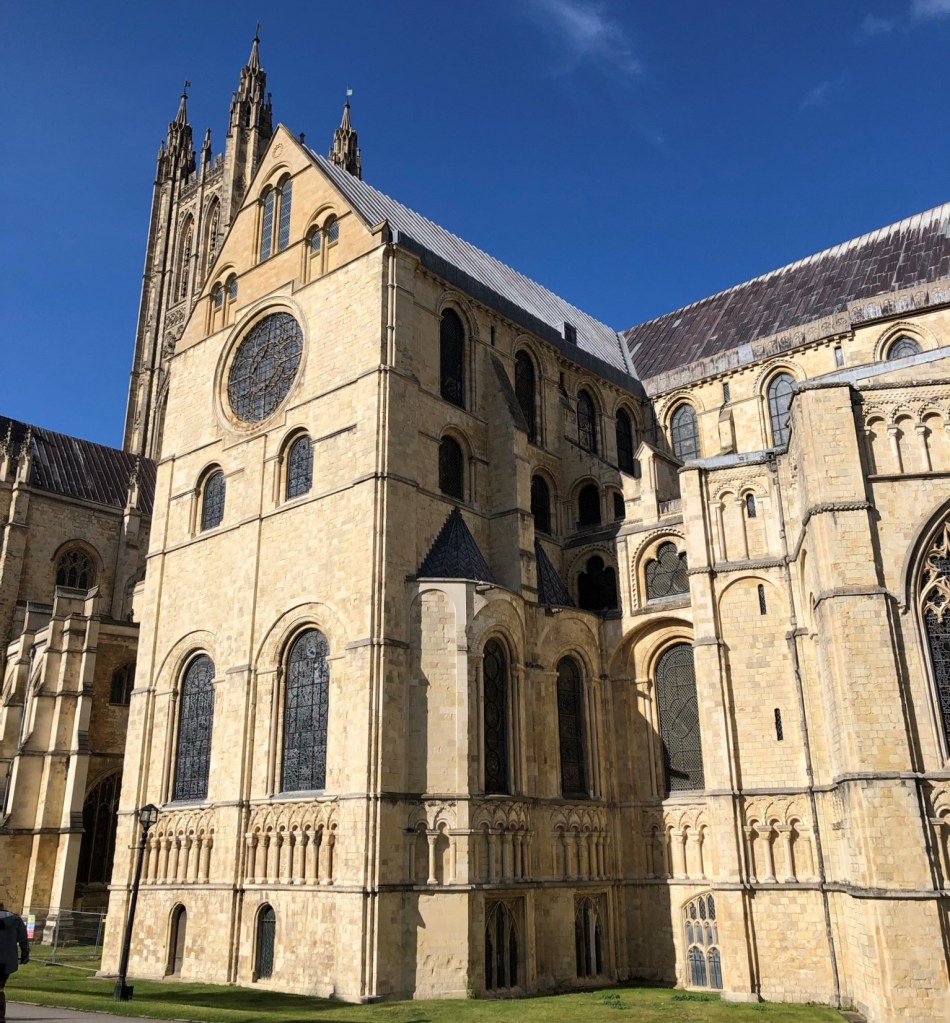
Canterbury Cathedral 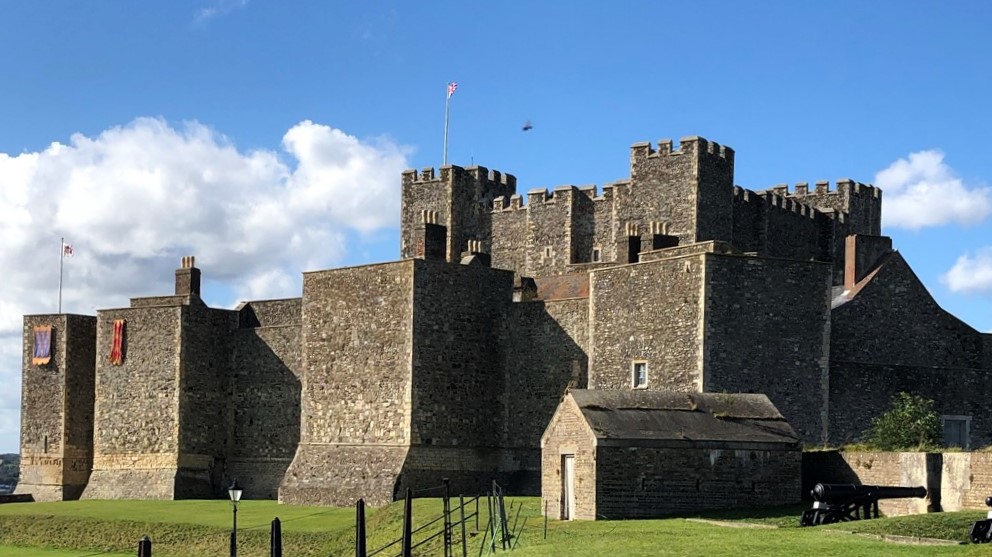
Dover Castle 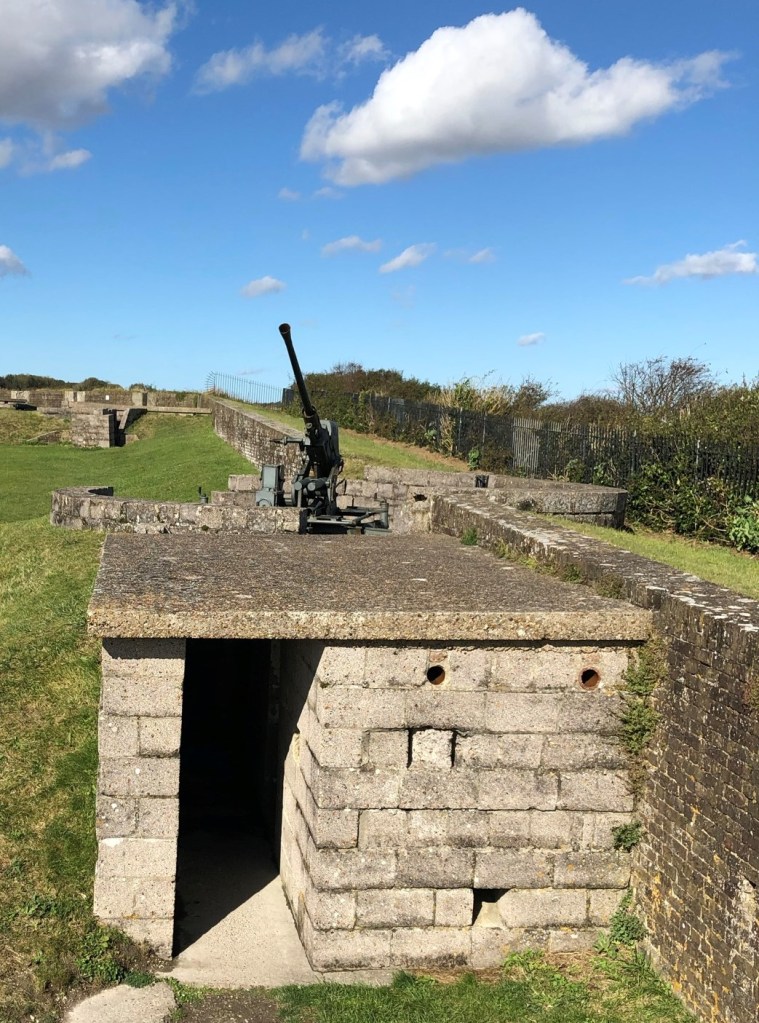
AAA Battery 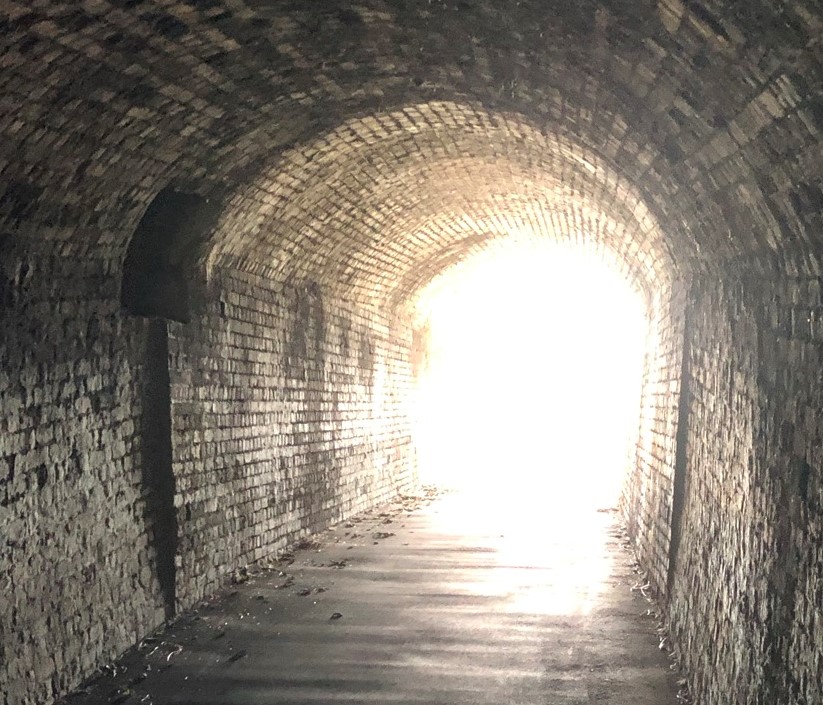
Dover HQ Tunnel
So, after two days of miserable hiking weather our first day in Canterbury was beautiful. Given that it was Sunday and we did not want to stumble in on any services that would be occurring at the Cathedral (I think Bill went to morning services, I, on the other hand, was nursing my accumulated injuries 🙂 ). We opted to head to Dover castle for the afternoon roughly a 30 minute drive as we were finished with long distance hiking for this trip.
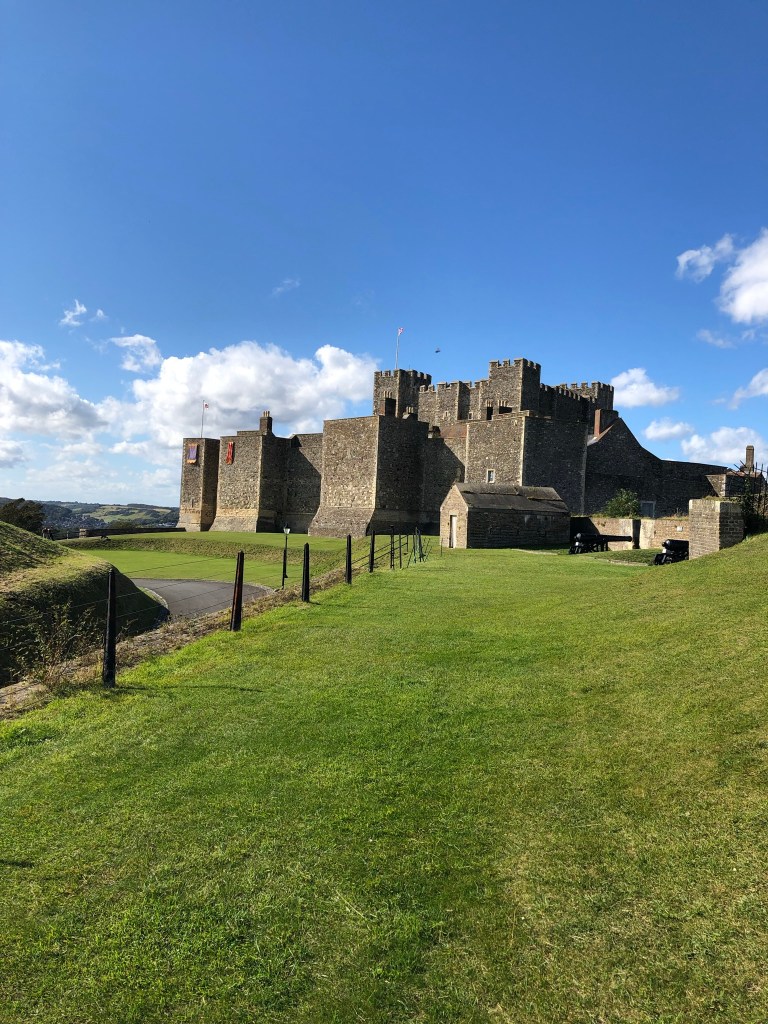
Now Dover, castle is everything one would expect a castle to be, imposing, impressive and impregnable. Due to the fact that this point is the closest point to France and mainland Europe it has been utilized in many ways; first as a Roman Lighthouse, or Paro, (50 CE) then as an Anglo-Saxon fortified community with a large church next to the Paro (1000 CE) and finally William the conqueror began construction of the castle itself in 1066 CE.
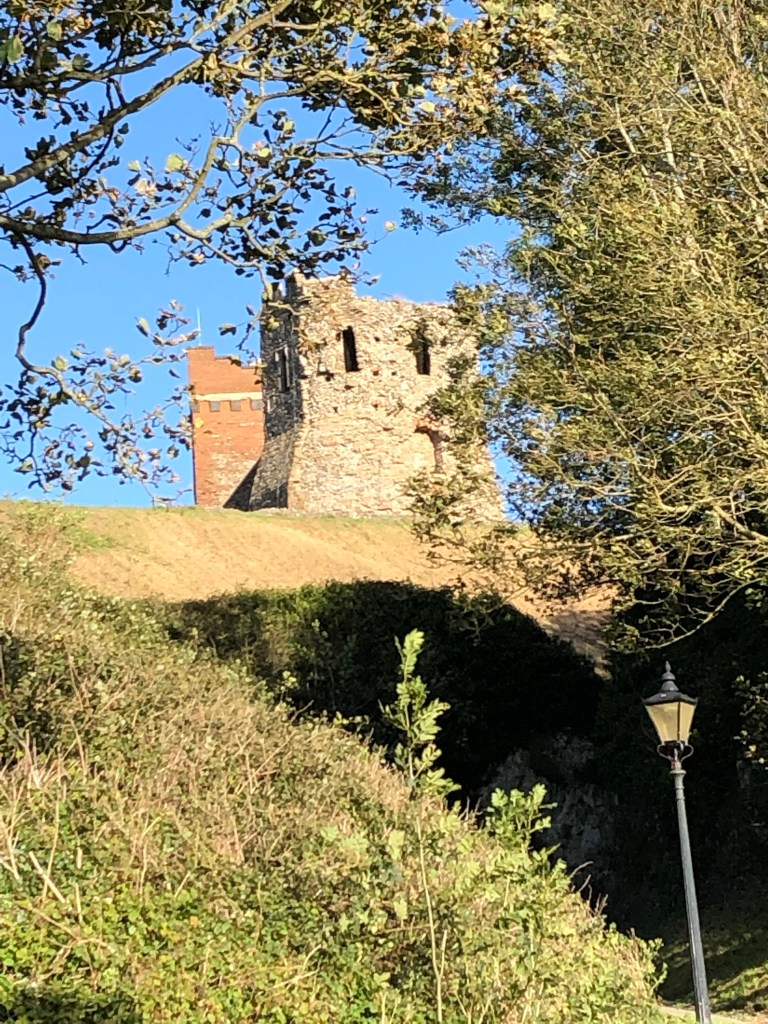
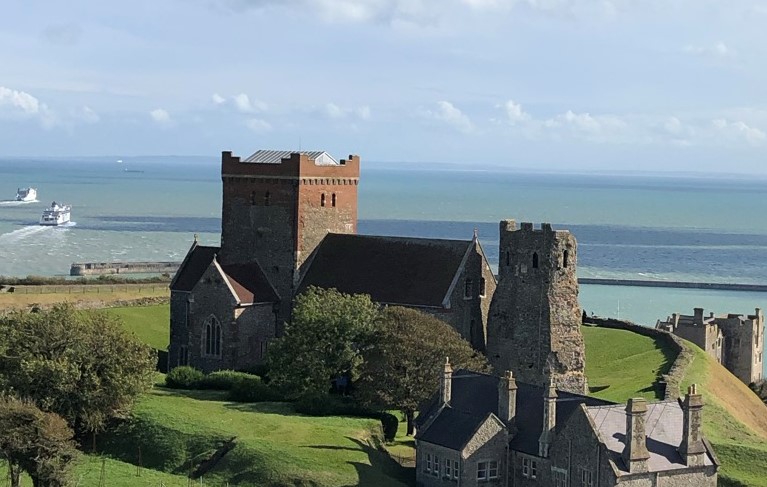
One of the reasons that the castle was constructed was the fact that the King of England needed a place to host royal guests from the European mainland as the popularity of the pilgrimage to Thomas Becket’s tomb in Canterbury grew in popularity. Dover castle and Windsor Castle both claim to be the largest castles in England. Dover castle was quite opulent and modern as compared to other medieval castles.
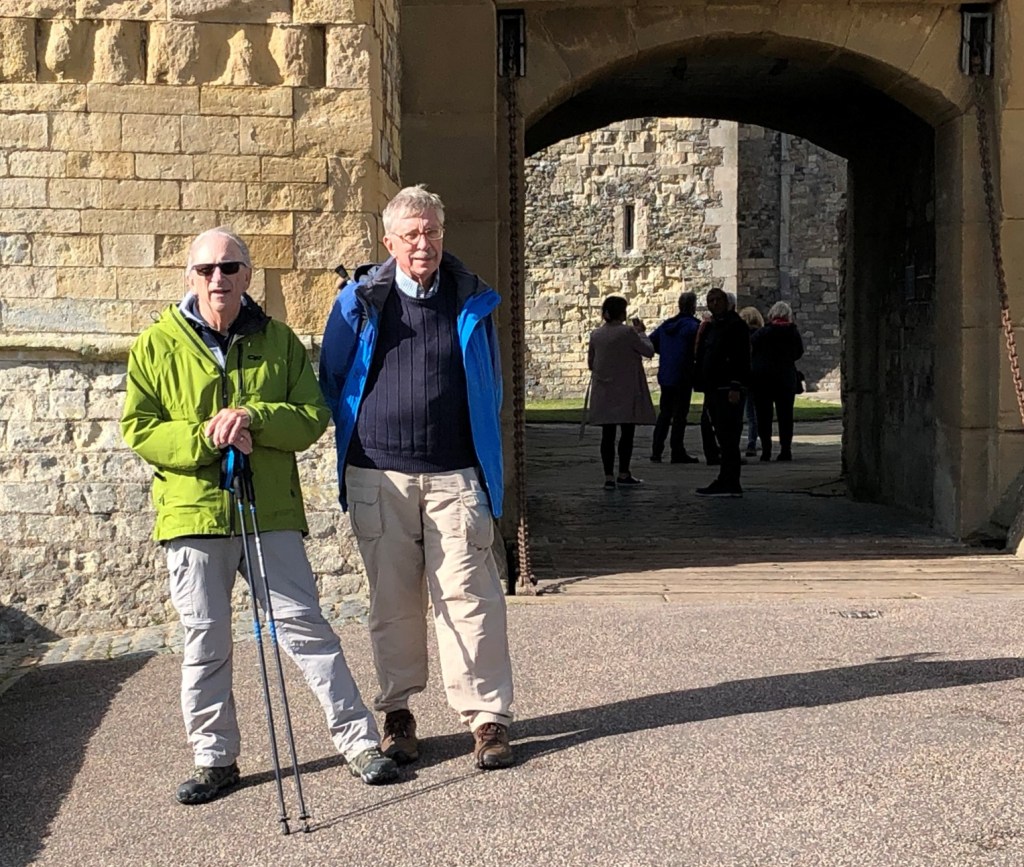
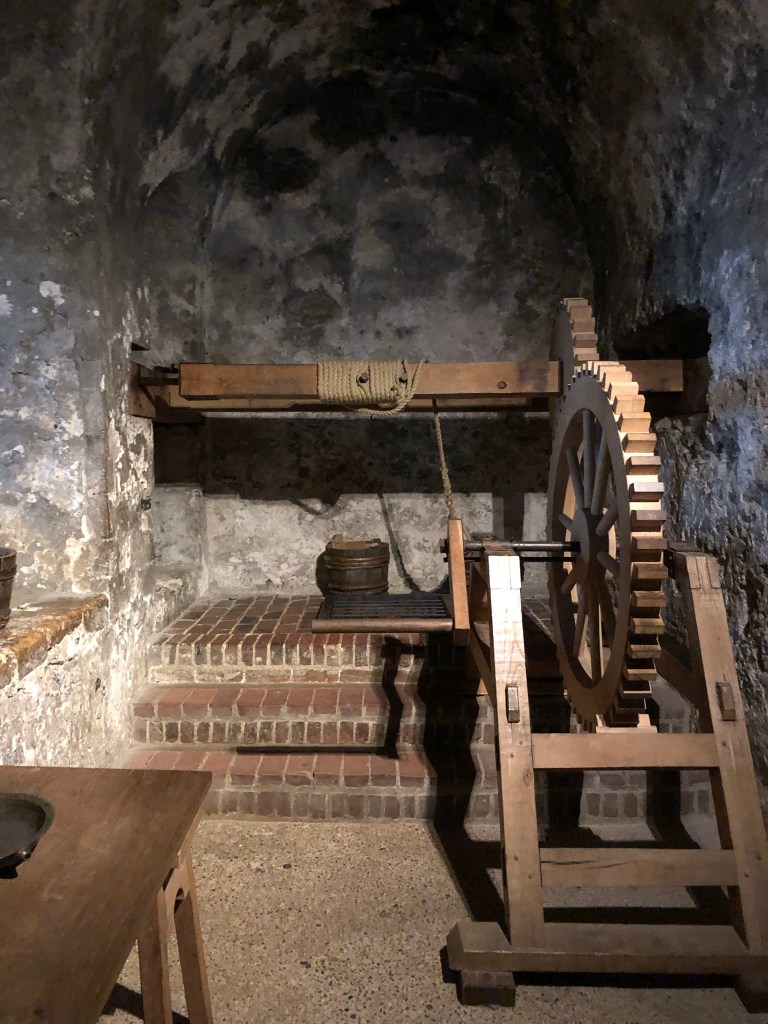
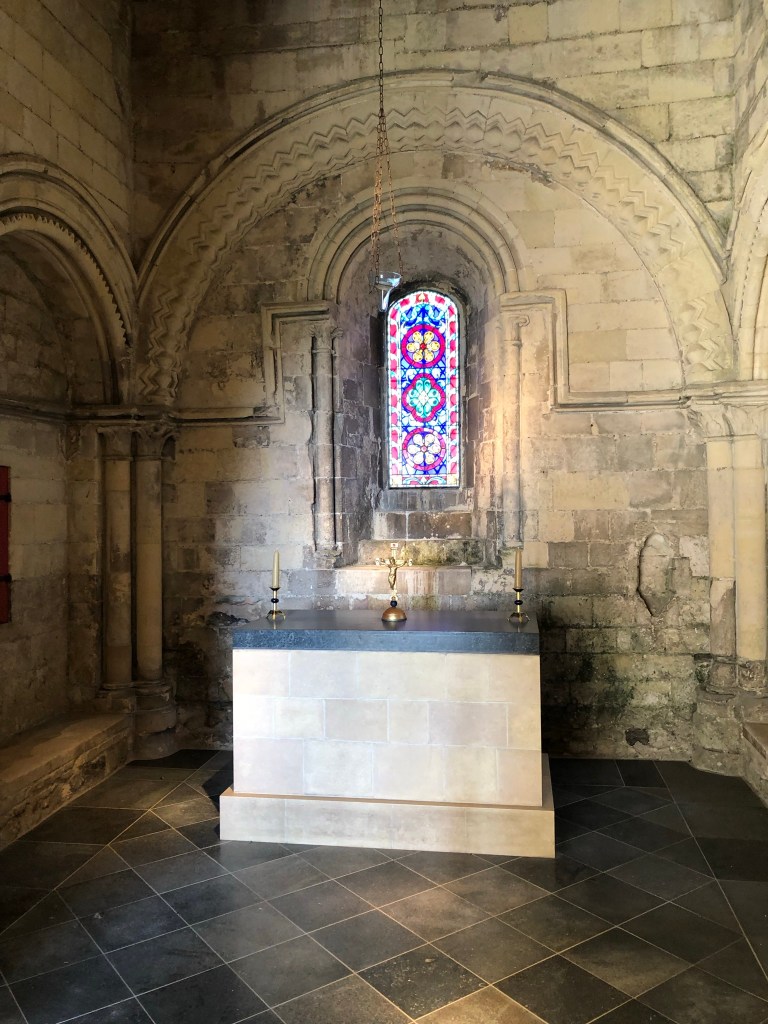
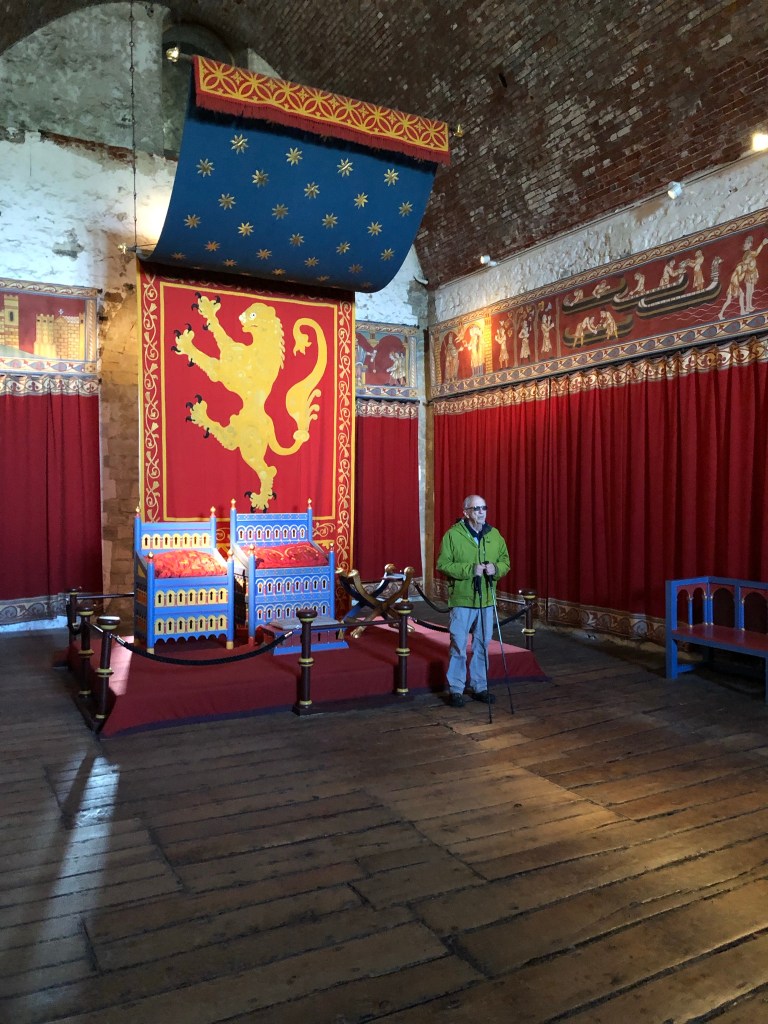
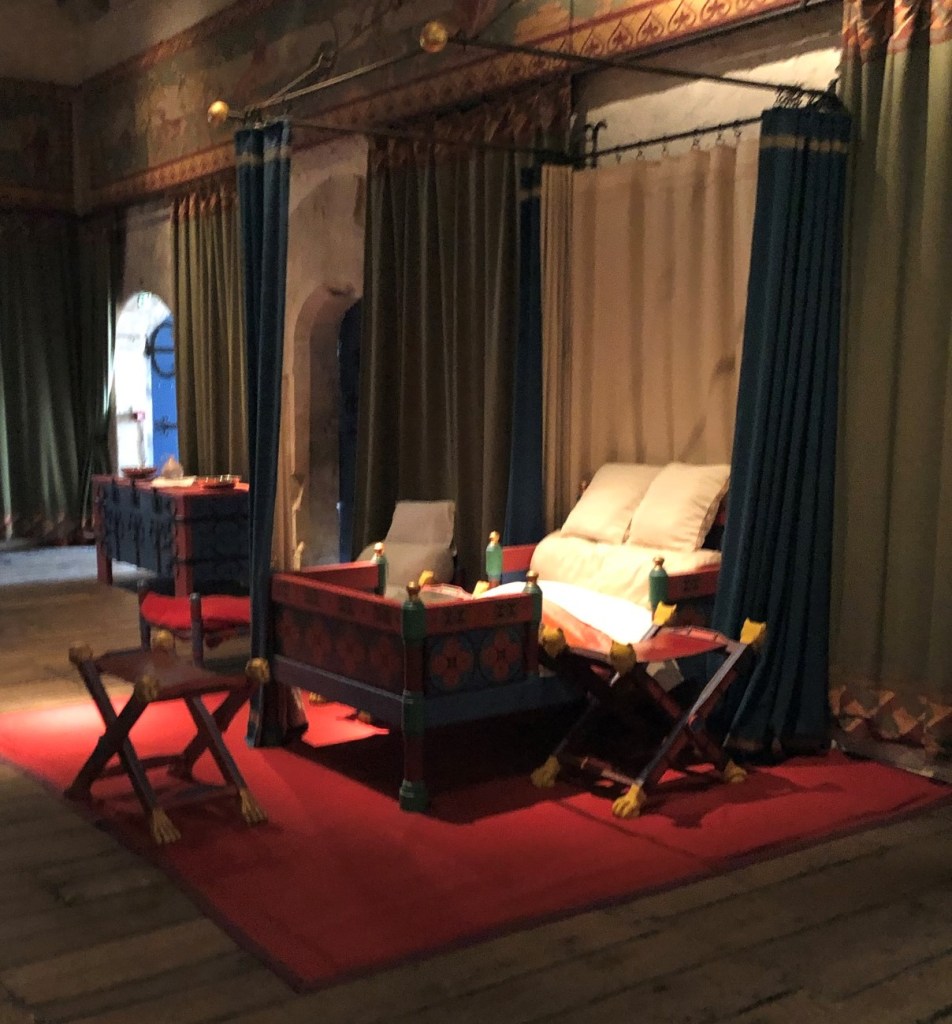
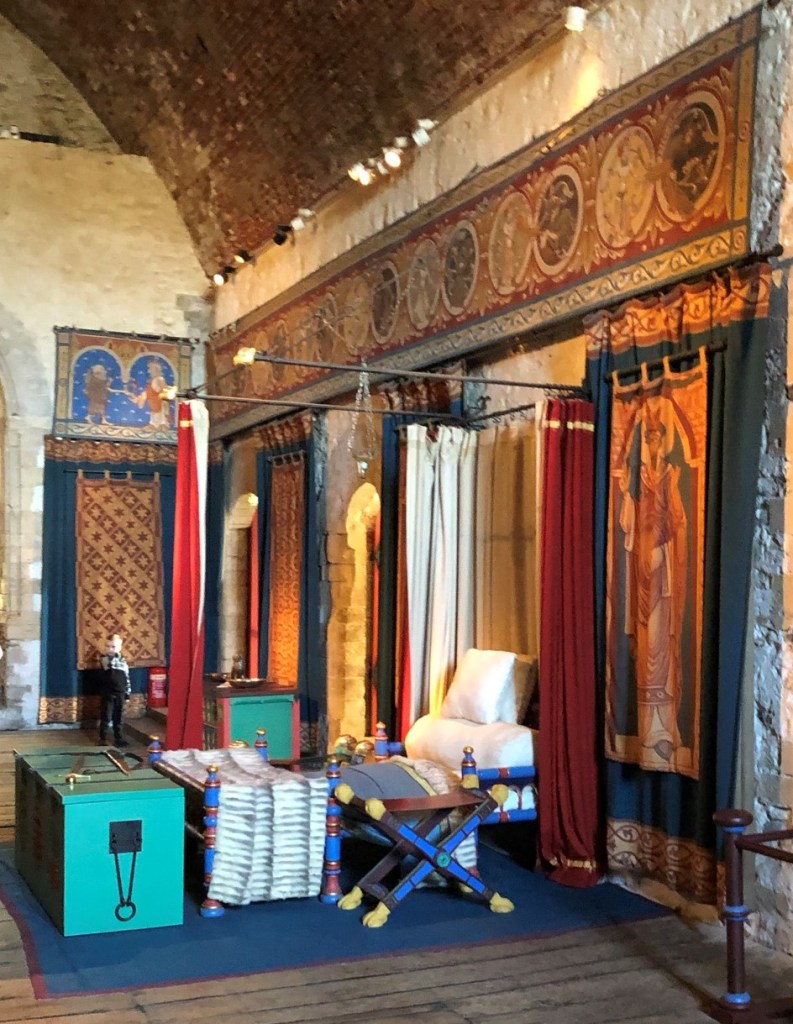
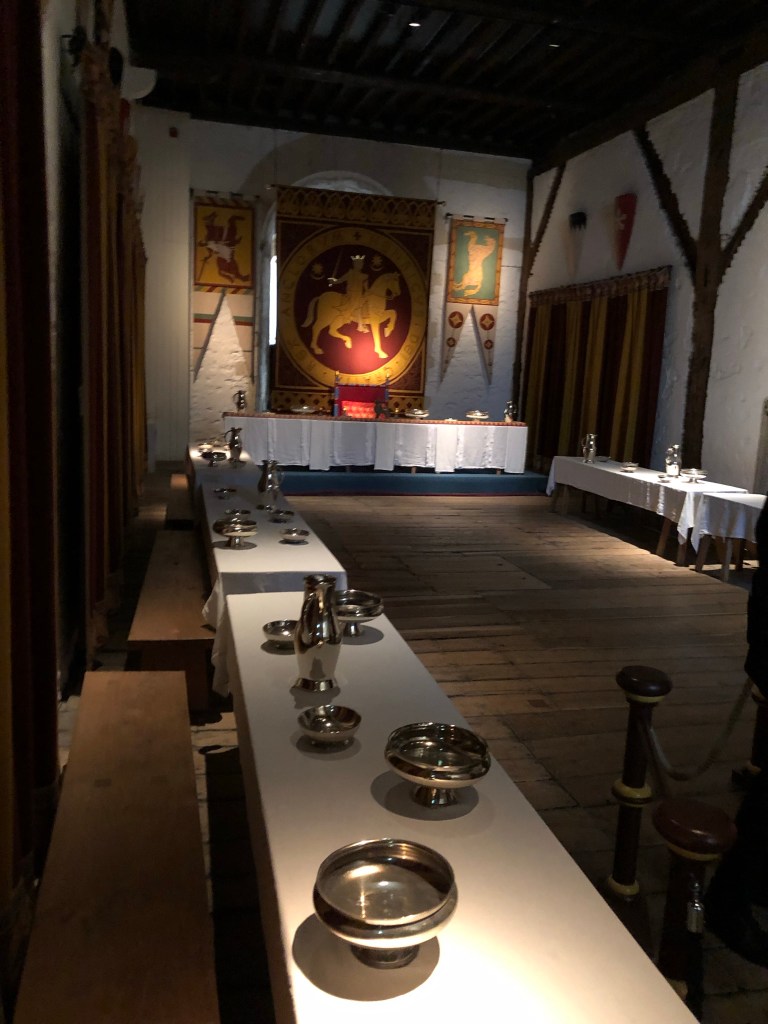
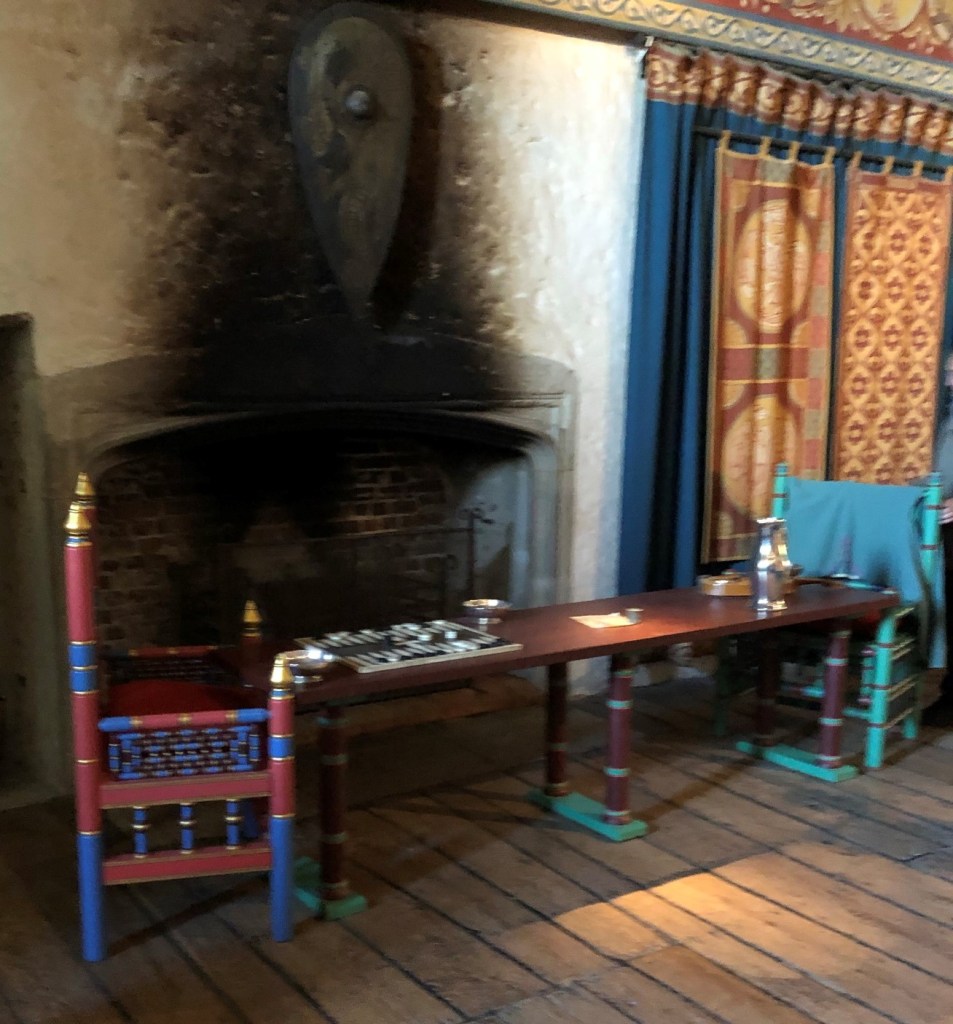
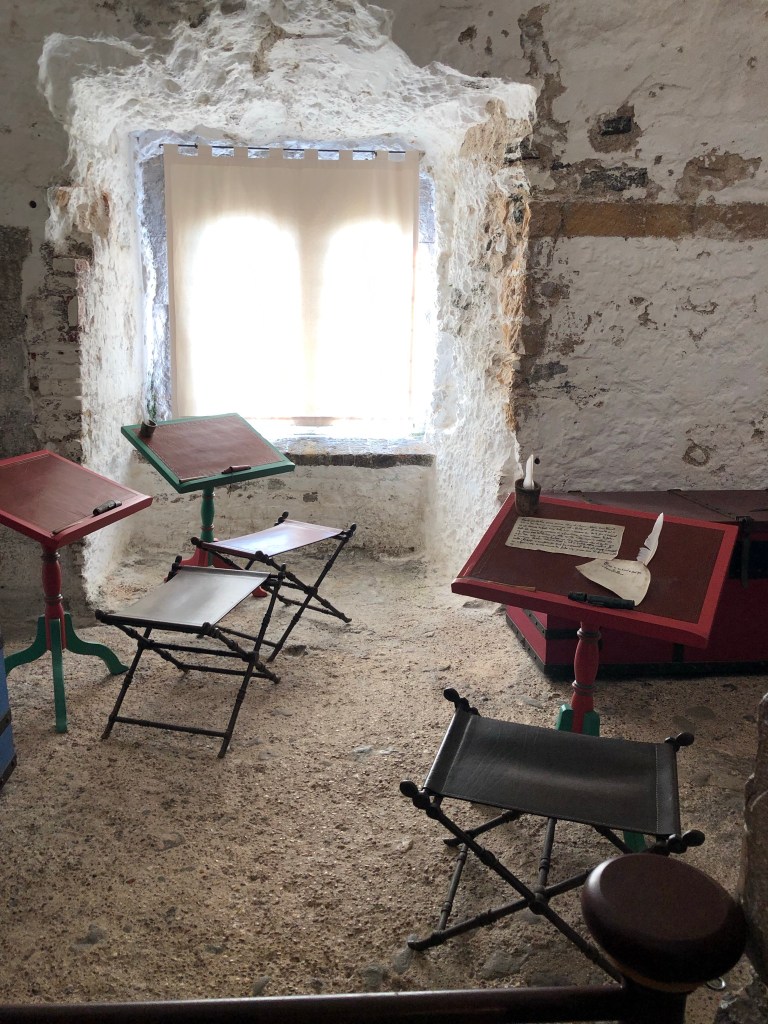

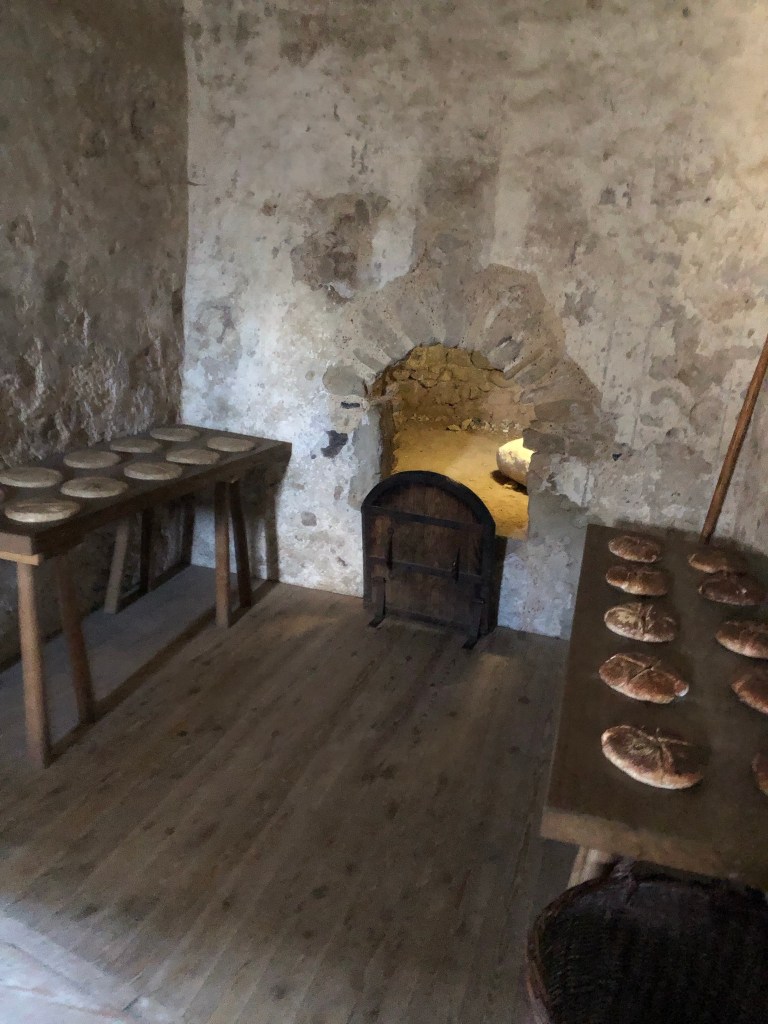
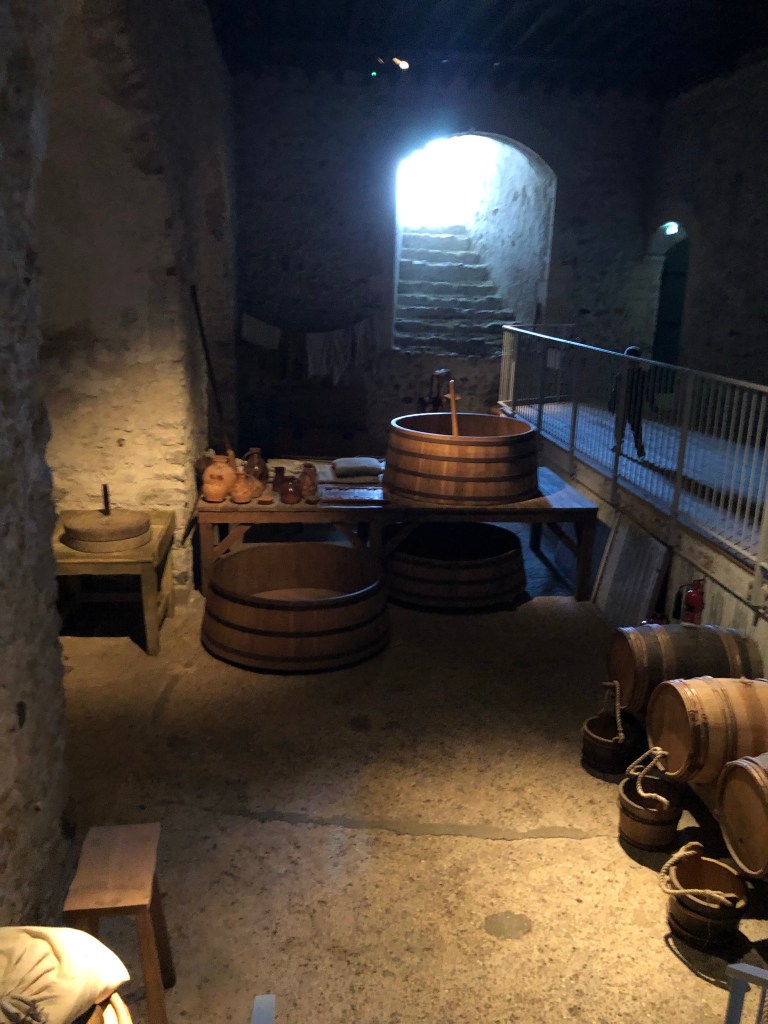
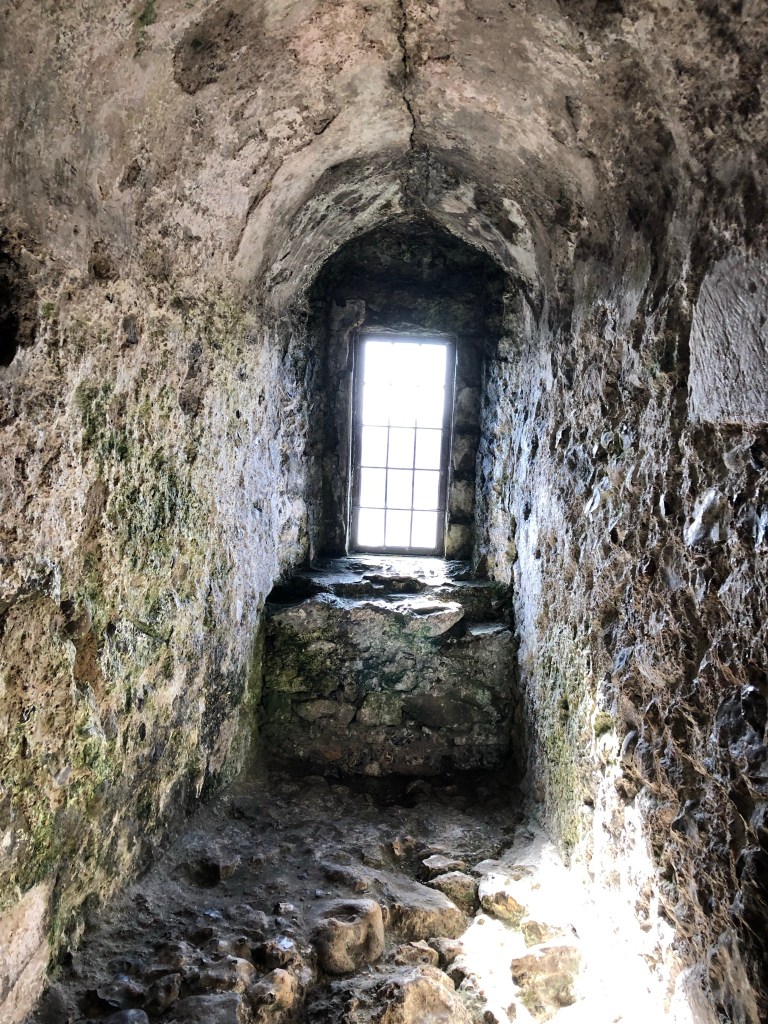
The castle was also an impressive defensive fortification with extensive earthen works as well as the castle walls.

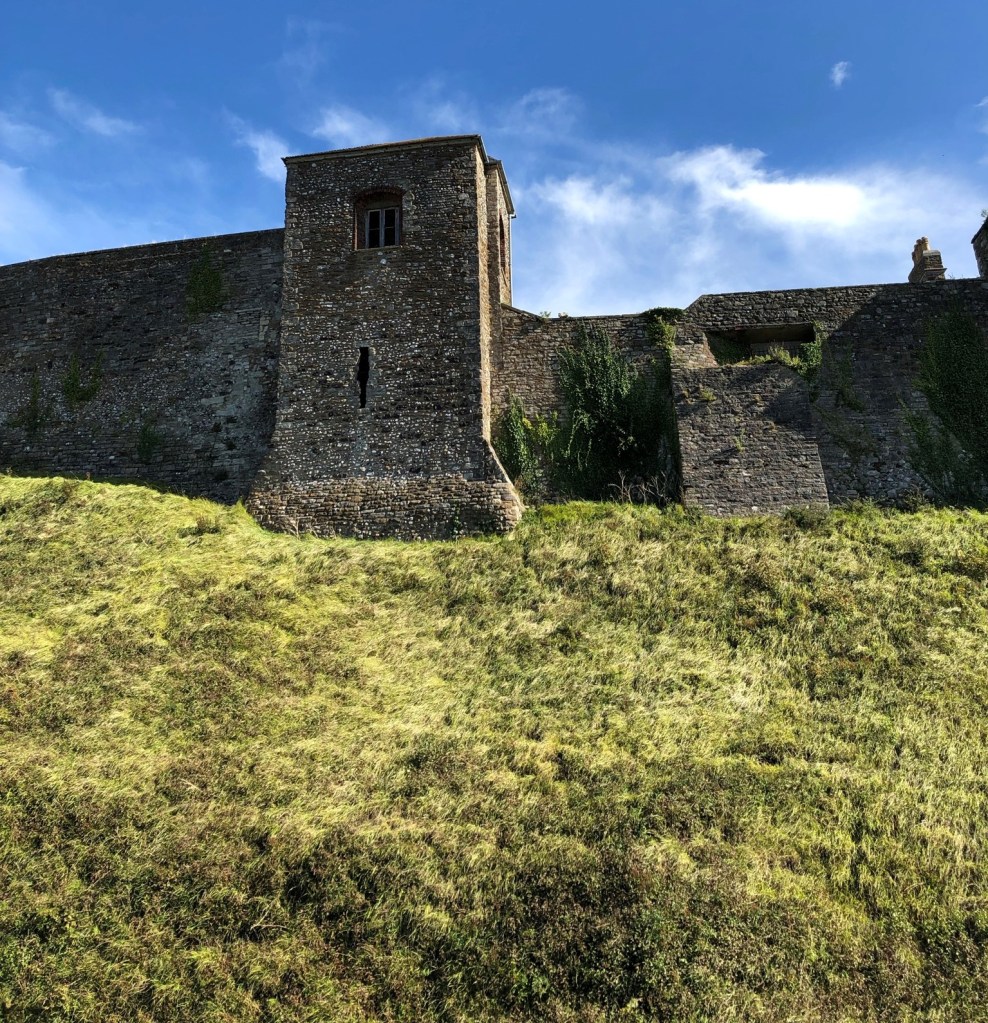
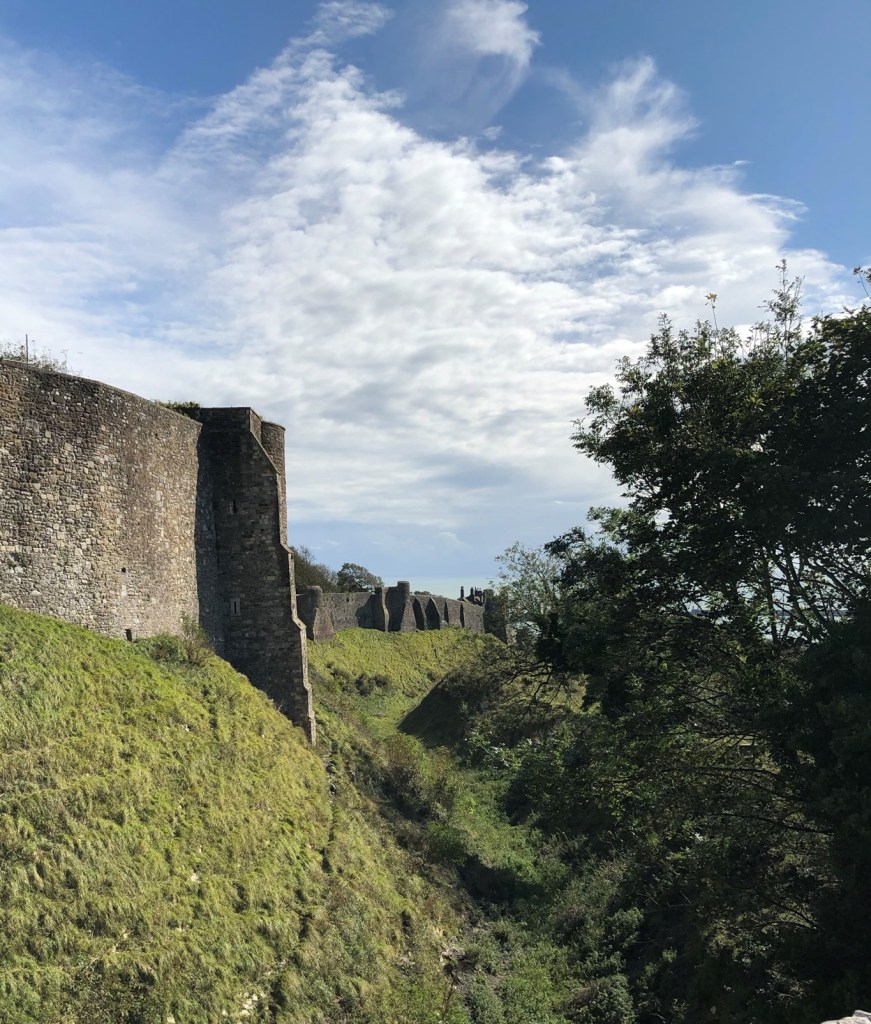
And while one was trying to storm the castle one was shot at by archers.
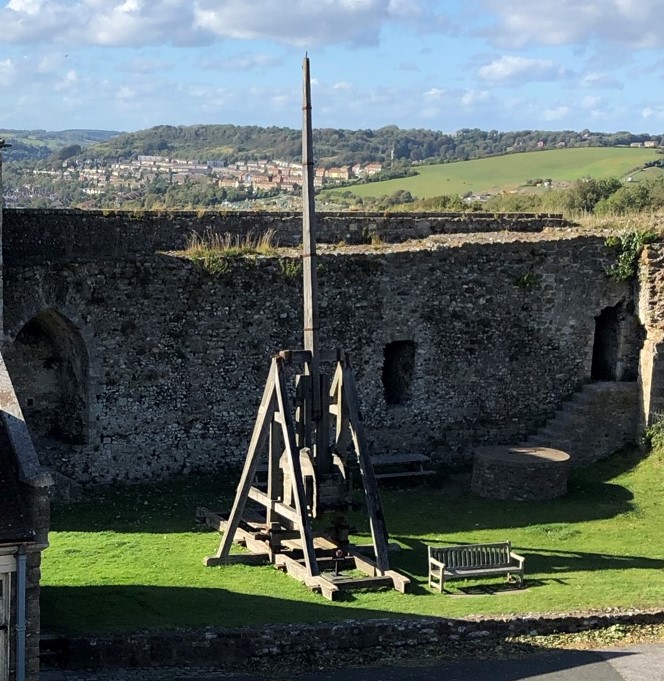
And had large objects hurled at you from that medieval form of artillery known as the Trebuchet.
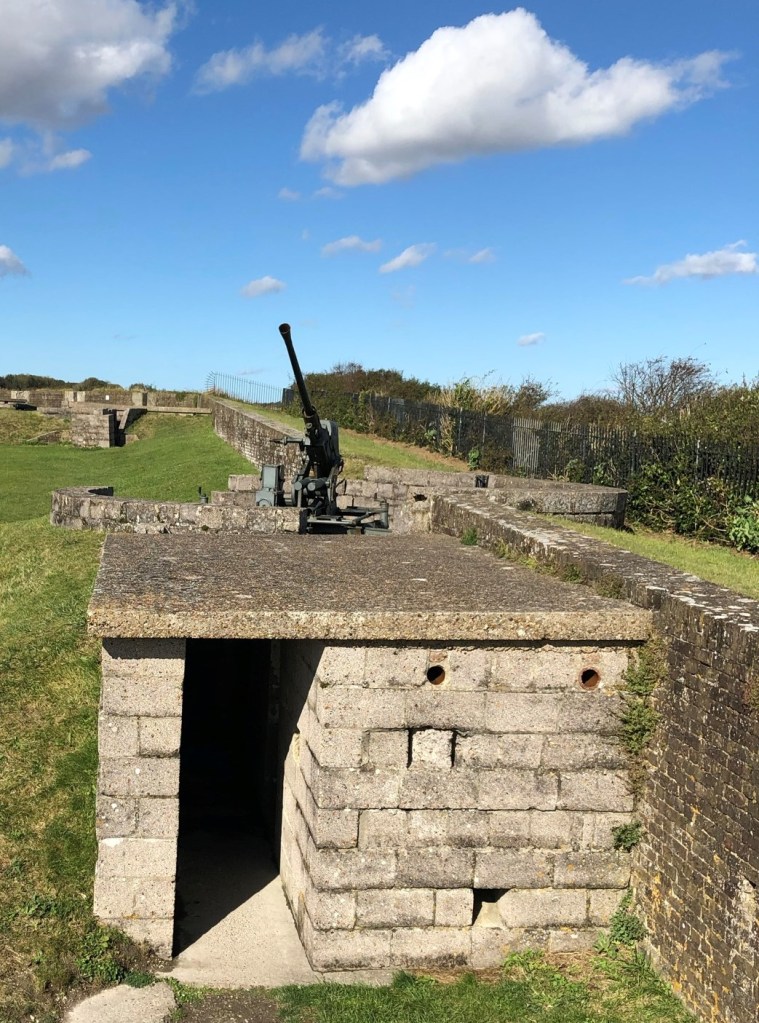
As warfare modernized so did the fortifications at Dover with artillery.
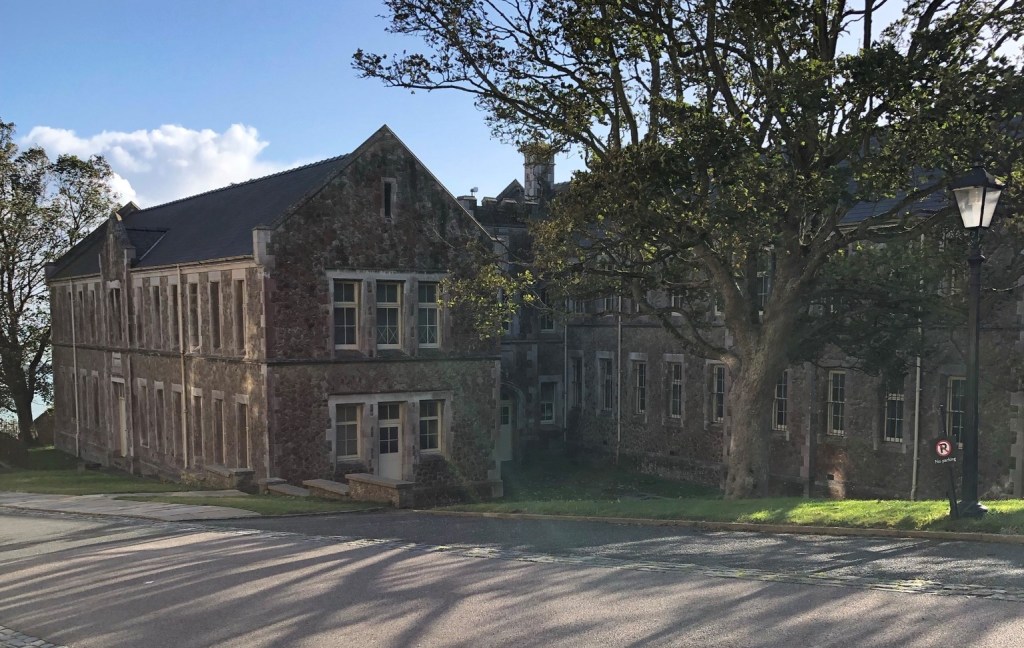
And troops garrisoned at the castle
One of the most fascinating tours of the castle for me was the tunnels under the castle where, during WW2, command of the evacuation of the beaches at Dunkirk were headquartered. Until this visit to Dover I truly did not appreciate how close Dover was to Dunkirk (21 miles). Admiral Sir Bertram Home Ramsay, overall commander of the evacuation could actually step out onto a hidden balcony and watch the progress of the evacuation from that vantage point. Unfortunately, they did not allow pictures during this part of the tour but I will tell you that it is worth your time and money ($10) to take the tour. I asked the tour guide after the tour was finished whether the city of Dover was shelled during WW2 as I knew that Germany had artillery that certainly had the range to do so. I was told that the city was basically destroyed during the war with shells raining daily down upon it until shortly after the invasion of Allied forces at Normandy.
It was a bright and windy day in Dover that Sunday with the Union Jack standing straight out in the stiff breeze. So, what did we do? We went to the roof of course!
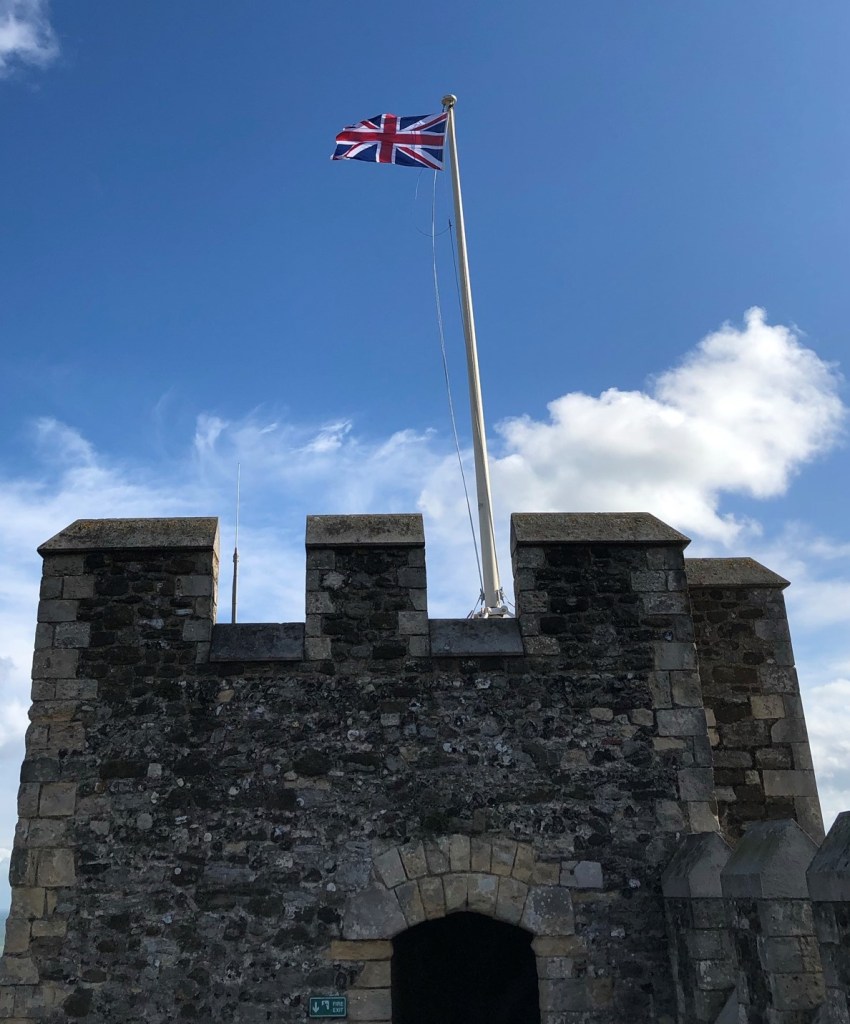
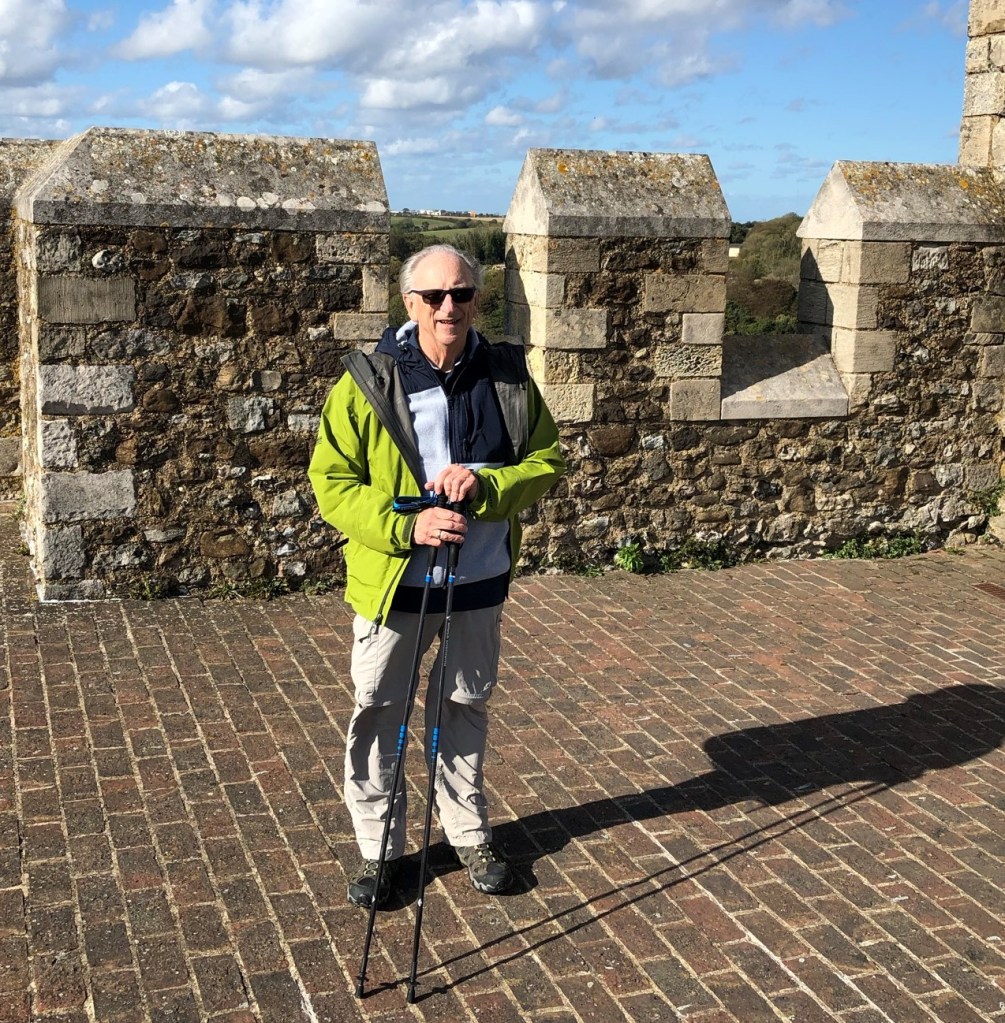
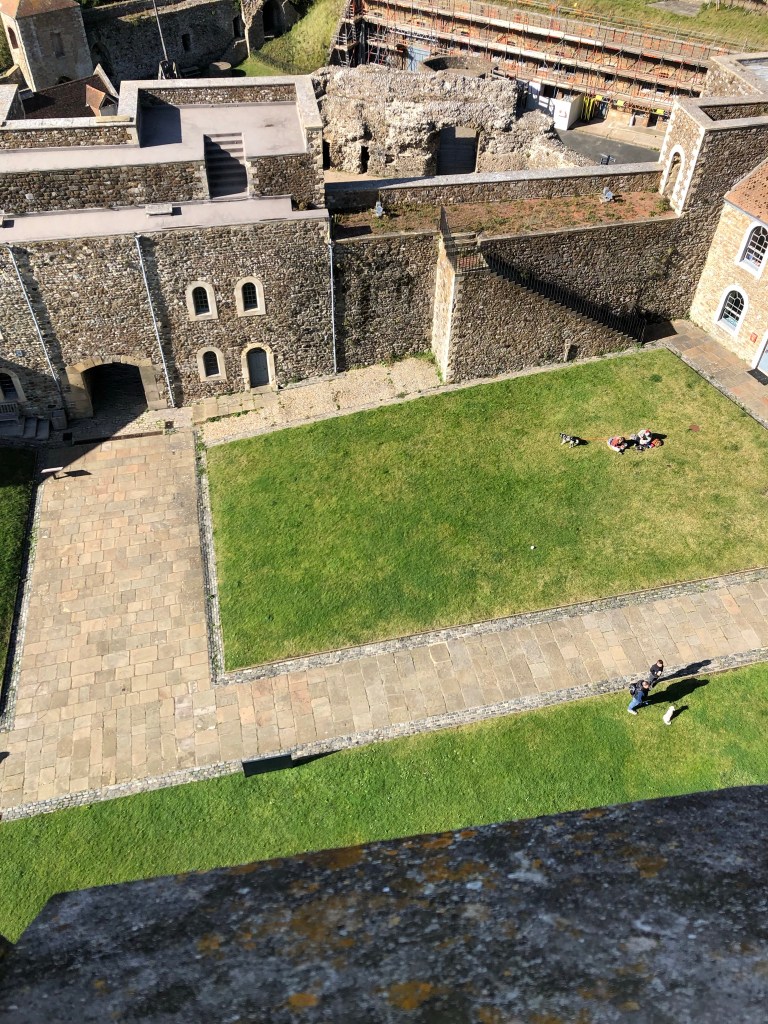
After clambering down from the roof we went to the White Cliffs of Dover. Unfortunately the cliffs are much more impressive if one is one the English Channel looking at them than from on top but here are a couple of shots just the same.
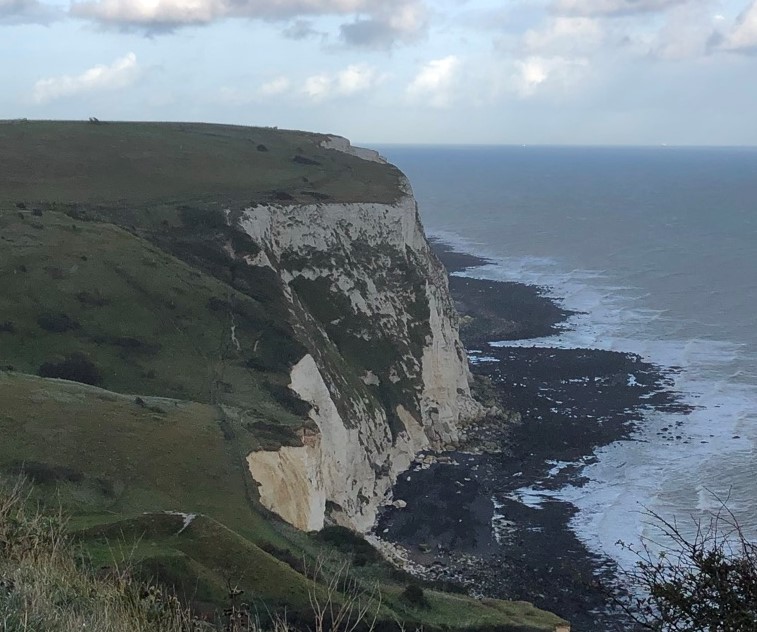

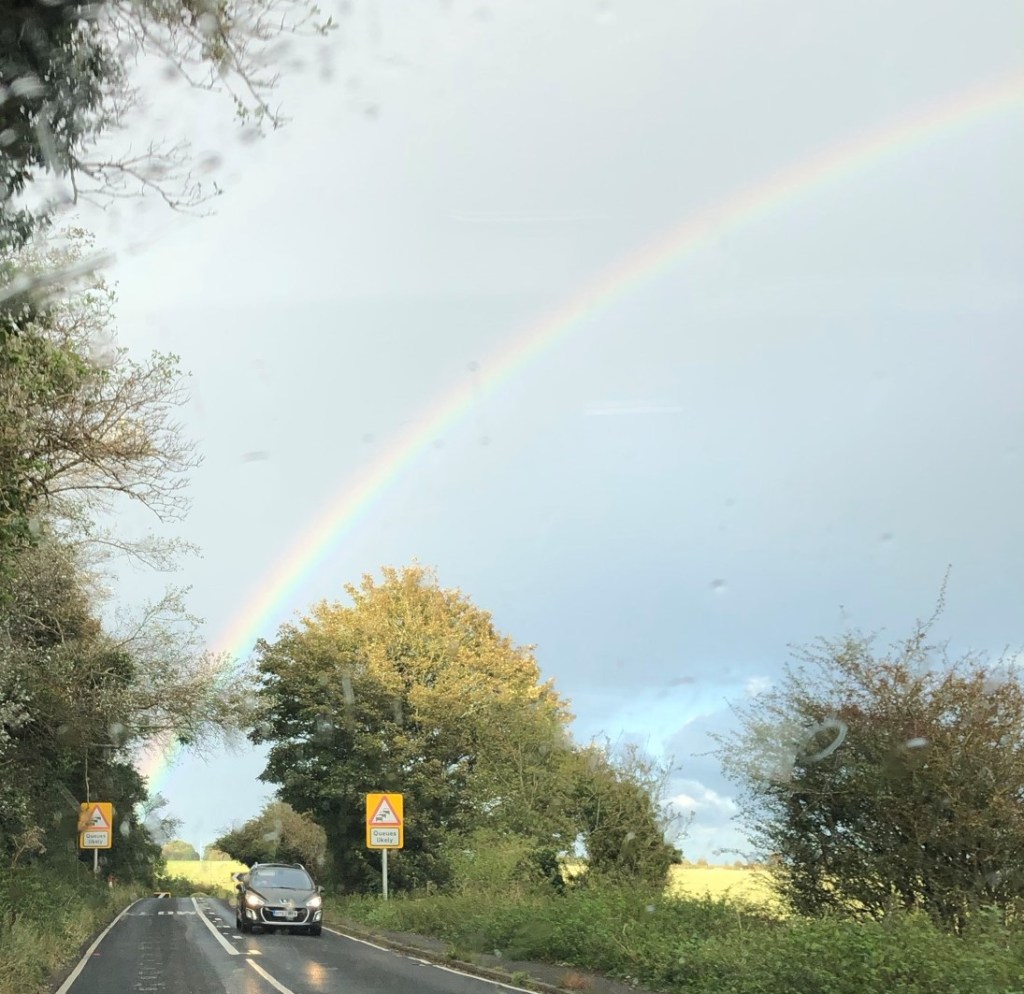
As we got to the top of the cliffs it started raining. Of course! As I had not brought any rain gear. But, the shower was brief and we were treated to a rainbow as we drove back to Canterbury.
Well, I thought I would get this done in one post but there is way too much about Canterbury Cathedral to do that so stay tuned and thanks for hanging in there with me.
 Lou Hikes?
Fascinating post – commentary and photos. Thanks for sharing them. Looking forward to your Part 2!
LikeLike
This is genuinely interesting. The majestic locations and the architecture are captivating.
LikeLiked by 1 person
Enjoying your your continuation. And your your insights up front and personal👍
LikeLike